Companies are racing to move production closer to home markets, and freight patterns across North America are shifting faster than most carriers anticipated. We spoke with the shippers and 3PLs driving the change.
Key Takeaways
Since 2022, $890 billion in North American manufacturing investment has been announced or committed, the largest reshoring wave since the post-WWII industrial expansion, according to data compiled by the Reshoring Initiative and the Brookings Institution. That capital is not sitting idle in groundbreaking ceremonies. It is converting into production, and production is converting into freight. The North American freight market is being reshaped in real time, and the carriers, 3PLs, and shippers best positioned to capture that volume are those that started building their Mexico networks before the wave arrived.
"The companies we are talking to are not asking whether to nearshorethey are asking how fast they can do it," said the president of a Texas-based regional 3PL that has grown its cross-border volume by 61% since 2023. "The constraint is not capital or intent. It is infrastructure, labor, and the time it takes to qualify a supplier that is 400 miles away instead of 4,000." That qualification gap is proving to be one of the most underestimated friction points in the nearshoring transition.
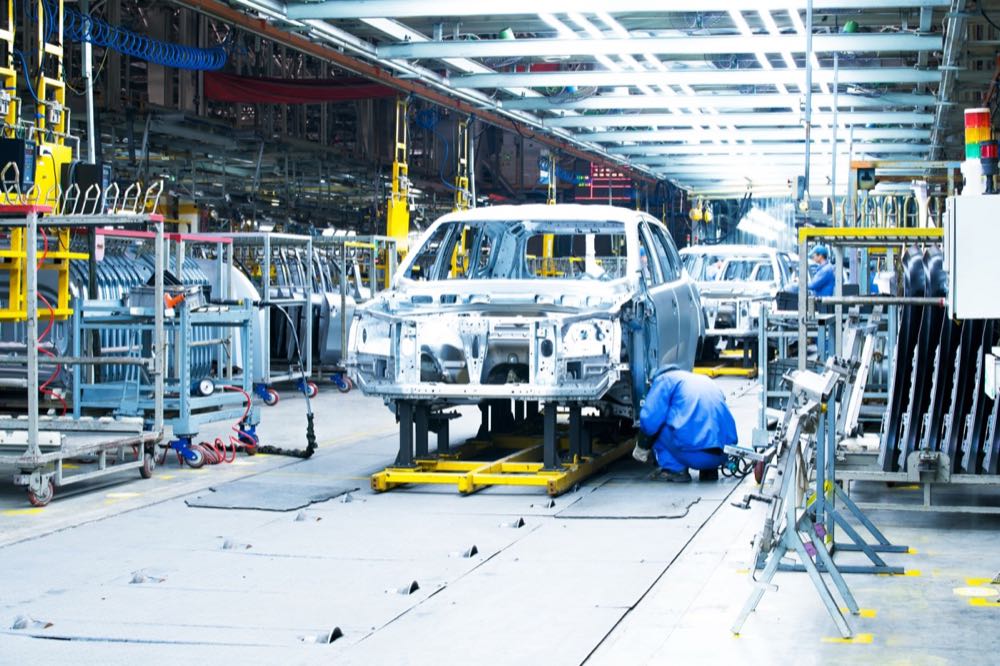
Not all industries are nearshoring at the same pace. Three sectors are running well ahead of the broader market, each driven by a distinct combination of tariff exposure, lead-time sensitivity, and regulatory pressure. Automotive is the clear leader. A full 74% of Tier 1 automotive suppliers surveyed by the Original Equipment Suppliers Association in early 2026 reported either completed or in-progress production transfers from Asia to Mexico or the US Southeast. Tesla's Monterrey gigafactory, Ford's battery assembly expansion in Saltillo, and Stellantis's continued investment in the Ramos Arizpe complex are each generating thousands of component shipments per week that did not exist on North American freight networks three years ago.
Electronics manufacturing is the second major driver. The CHIPS and Science Act has catalyzed $220 billion in announced US semiconductor and electronics manufacturing investment since its passage, with the bulk of physical production expected to come online between 2025 and 2028. Guadalajara has long been Mexico's electronics manufacturing hub, but investment is now spreading to Juarez, Tijuana, and Monterrey, creating new freight corridors connecting these production clusters to US distribution centers and retail networks in the Southwest and Midwest.
Pharmaceutical nearshoring is the third wave, and in some respects the most consequential. The COVID-19 pandemic exposed catastrophic single-source dependencies for active pharmaceutical ingredients, most of which were produced in China and India. Federal procurement rules now require a growing share of drugs purchased by US government agencies to meet domestic or near-domestic content thresholds. The Association for Accessible Medicines reported in its 2026 Industry Outlook that 38% of member companies have established or are actively building North American API manufacturing capacity, up from 12% in 2022.
"We tell every shipper we work with the same thing: the Mexico corridor is not a future opportunity. It is a present reality. The question is whether your carrier network is already there or whether you are going to spend 18 months building it while your competitors are already moving." Chief Commercial Officer, regional cross-border freight brokerage
The nearshoring opportunity is real, but so are the structural constraints threatening to limit its impact. Border crossing infrastructure has not kept pace with volume growth. The Federal Motor Carrier Safety Administration reported that commercial vehicle crossing times at the Laredo ports of entry increased an average of 47 minutes per crossing between 2023 and 2025. At Otay Mesa, CBP processing times for commercial shipments have increased 38% over the same period. These delays compound across supply chains: a shipment that should deliver a three-day lead-time advantage over an Asia-sourced alternative can lose that advantage entirely if it spends two days in a border queue waiting for customs clearance.
Rail infrastructure is under similar stress. BNSF and Union Pacific have both acknowledged that intermodal capacity on the southern transborder corridors is constrained, particularly between the Bajio industrial cluster in Guanajuato and Chicago-area distribution facilities. CN's 2025 capacity investment plan allocated $340 million to expanding cross-border intermodal infrastructure, but new capacity will not reach full utilization until late 2027, leaving a two-year gap during which volume growth will outpace available rail slots. Shippers relying solely on intermodal are discovering that truck continues to serve as the safety valve, driving up cross-border truckload rates on peak demand days.
Labor is the third constraint. Skilled manufacturing labor in northern Mexican border states is increasingly competitive, with wages in Nuevo Leon rising 18% in peso terms between 2024 and 2026, according to Mexico's National Institute of Statistics. For shippers evaluating nearshoring economics, the labor cost advantage over Southeast Asian alternatives has narrowed from roughly 40% in 2022 to closer to 22% today in comparable manufacturing roles. That compression does not eliminate the nearshoring case, but it means the decision increasingly rests on lead-time reduction and supply chain resilience rather than pure cost arbitrage.
The freight market winners in the nearshoring wave share a specific profile: deep cross-border operational experience, established relationships with Mexican customs brokers and carrier networks, and the technology infrastructure to provide real-time visibility across the border transition. XPO Logistics, Werner Enterprises, and Echo Global Logistics have all reported above-market revenue growth on their Mexico cross-border segments in 2025, citing long-standing network investments as the primary differentiator. J.B. Hunt's intermodal division has similarly gained ground, with its dedicated USMCA corridor service reporting a 29% volume increase in Q1 2026.
On the 3PL side, regional operators with ground-level Mexico market knowledge are outperforming asset-heavy nationals that are playing catch-up on cross-border capability. Several large national 3PLs have responded by acquiring or partnering with Mexico-based customs brokers and freight operators, but integration timelines mean that acquired capability rarely becomes operationally effective for 12 to 18 months after the deal closes.
The nearshoring wave is structural, not cyclical. Even if trade policy were to pivot dramatically in a more permissive direction toward Asian sourcing, the manufacturing capital already committed to North America will generate freight for decades. The carriers, 3PLs, and shippers that are treating this moment as an invitation to permanently upgrade their cross-border capabilities are building a competitive moat that will be difficult to close once the infrastructure investments and carrier relationships are fully established.
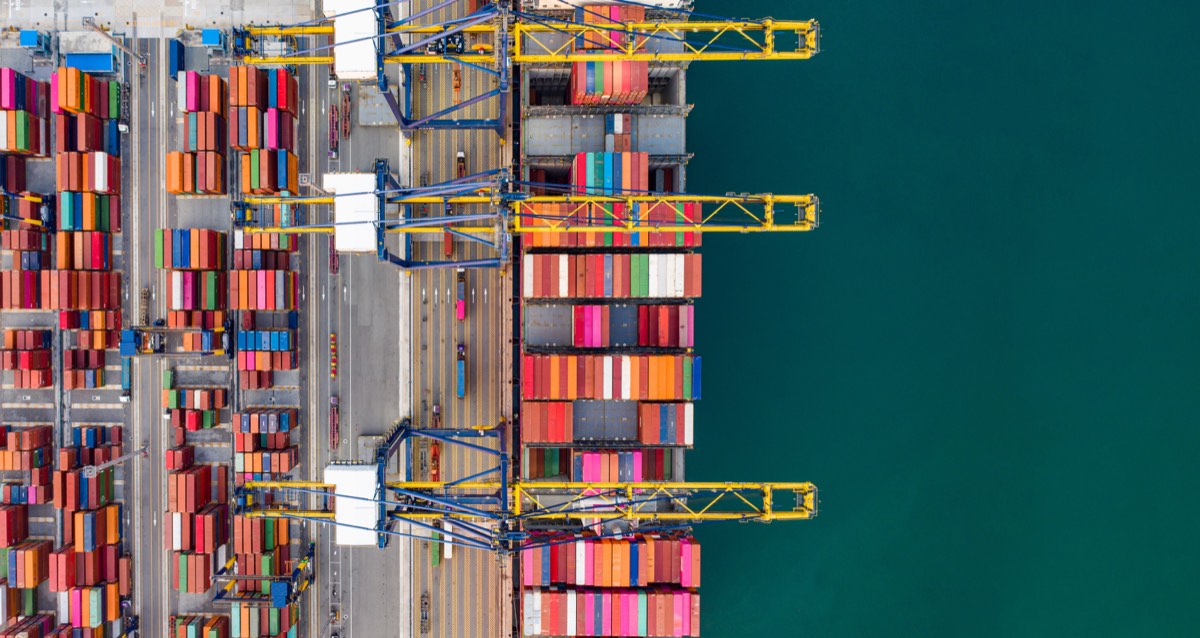
Trade policy shifts, carrier consolidation, and nearshoring momentum are combining to redraw where goods move and how they get there. Here is the current state of global freight flows.
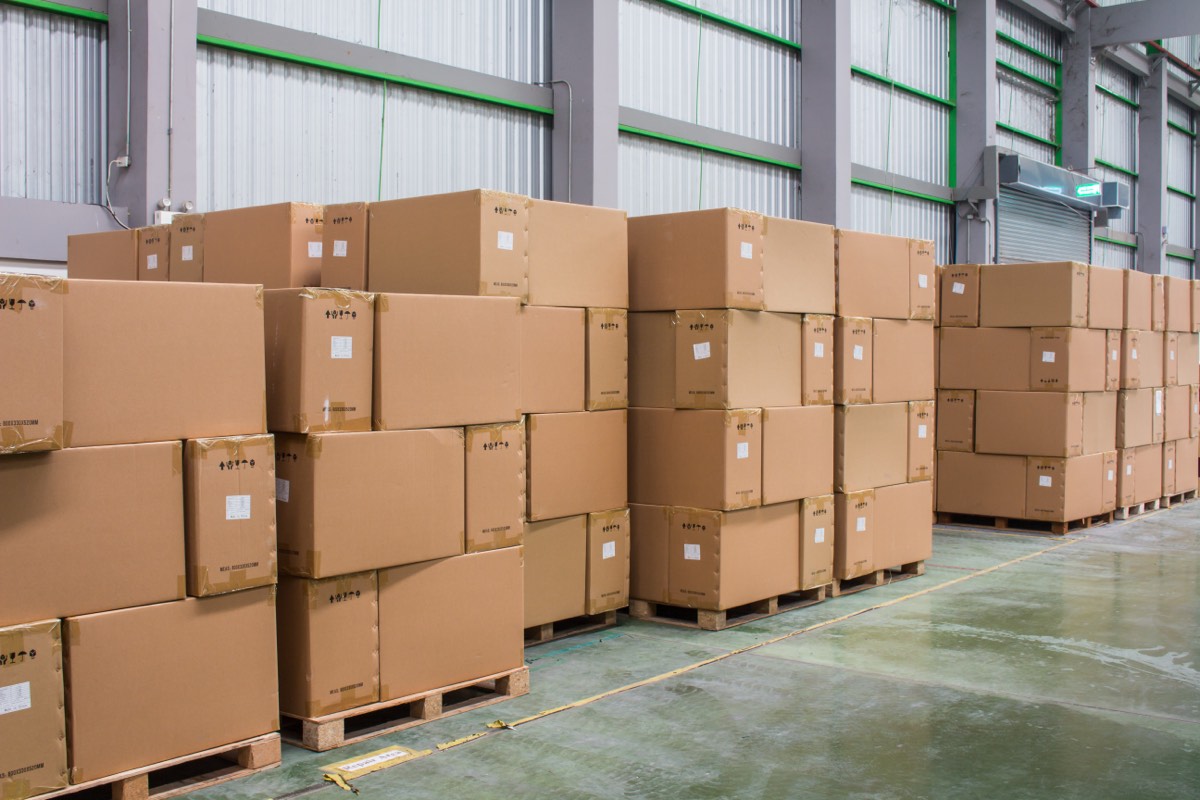
After years of lean inventory discipline, supply chain disruptions have forced a fundamental rethink. The companies that survived the last three years of volatility share a common trait.
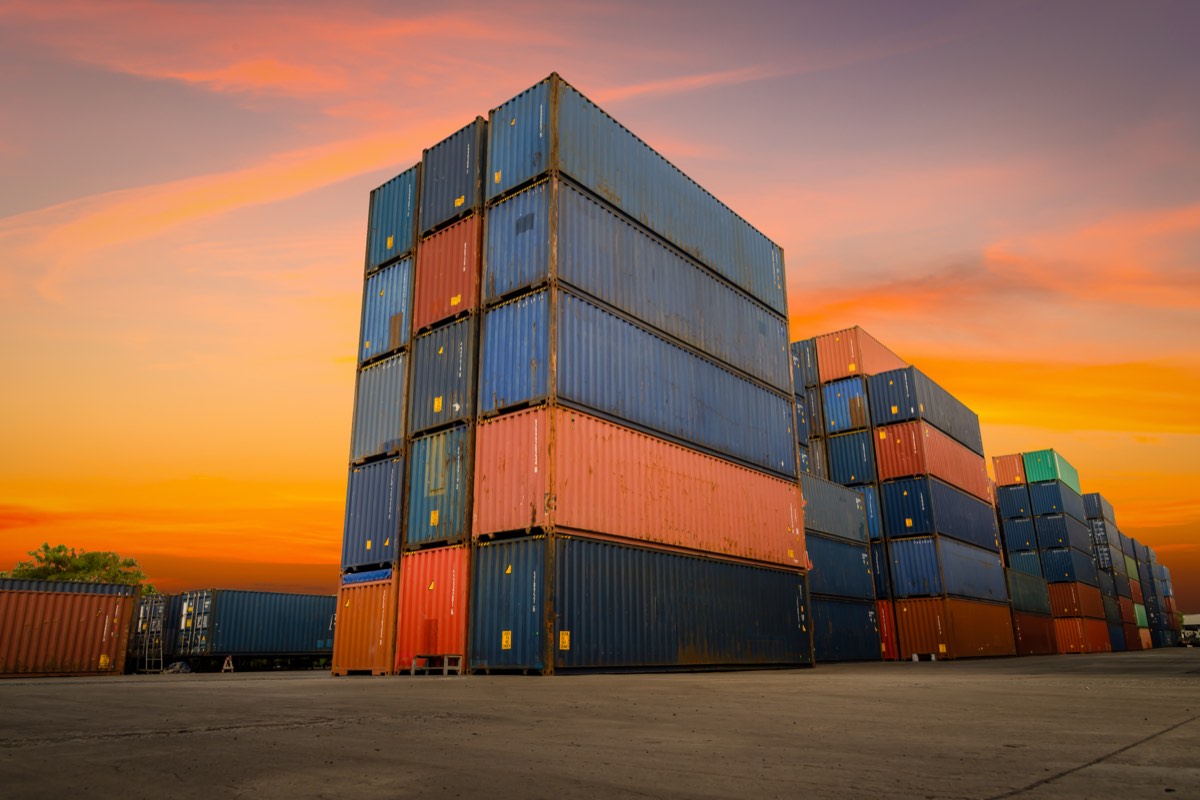
CBP has finalized a sweeping set of entry and documentation requirements that take full effect in Q3 2026. Most mid-size importers are not yet in compliance.
